Introduction
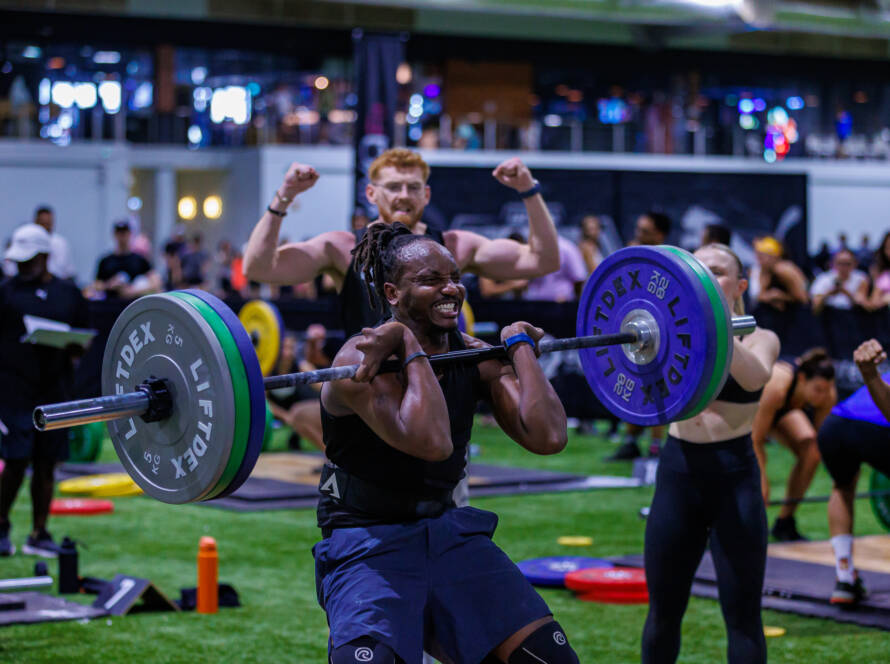
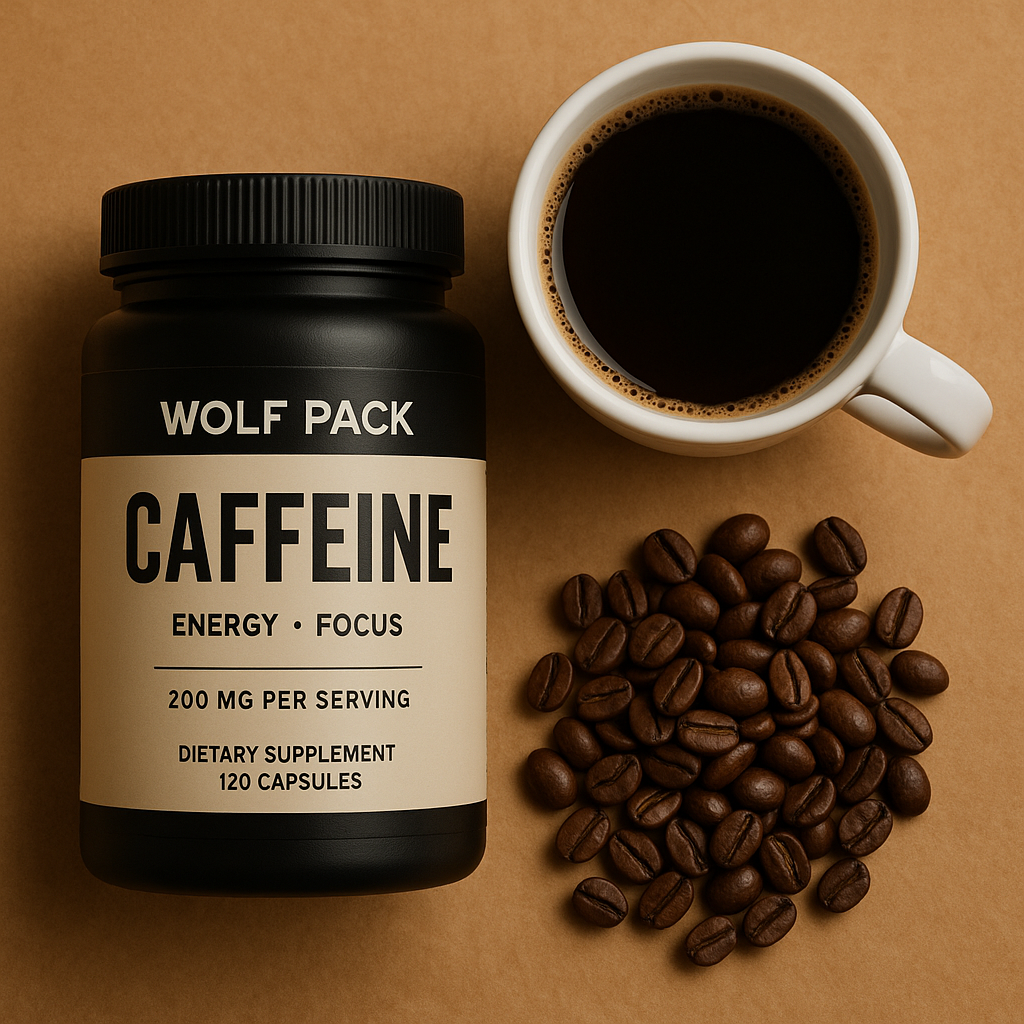
Caffeine is one of the most extensively studied and commonly used ergogenic aids in sport. Found in coffee, energy drinks, and supplements, it reliably enhances both physical and cognitive performance. To maximize its benefits, timing, dosage, and individual response are essential.

How Caffeine Works
Caffeine acts as a central nervous system stimulant by blocking adenosine receptors. Since adenosine promotes drowsiness and suppresses arousal, its inhibition through caffeine leads to heightened alertness, reduced perception of effort, and delayed central fatigue—creating ideal conditions for peak performance.
Endurance Benefits
Research supports caffeine’s advantages in endurance contexts. Doses of 3–6 mg per kg of bodyweight can improve endurance performance by 2–3%. Studies show longer time to exhaustion and faster time-trial completions in both recreational and trained athletes.
Strength and Power
Research supports caffeine’s advantages in endurance contexts. Doses of 3–6 mg per kg of bodyweight can improve endurance performance by 2–3%. Studies show longer time to exhaustion and faster time-trial completions in both recreational and trained athletes.
Focus and Cognitive Function
Caffeine enhances attention, vigilance, reaction time, mood, and perceived energy. These cognitive benefits are particularly useful in high-pressure competition or during training when fatigue sets in
Best Practices
- Dosage: 3–6 mg/kg bodyweight is most supported by evidence. Higher doses increase side effects without further benefit.
- Timing: Peak effectiveness is usually 60 minutes before exercise. Gum and liquid forms may act faster.
- Individual Response: Sensitivity varies by genetics, tolerance, and habitual use.
- Sleep: With a half-life of 3–7 hours, late use can impair sleep and recovery.
- Hydration: Performance doses are not significantly dehydrating, but staying well hydrated is still recommended.
Conclusion
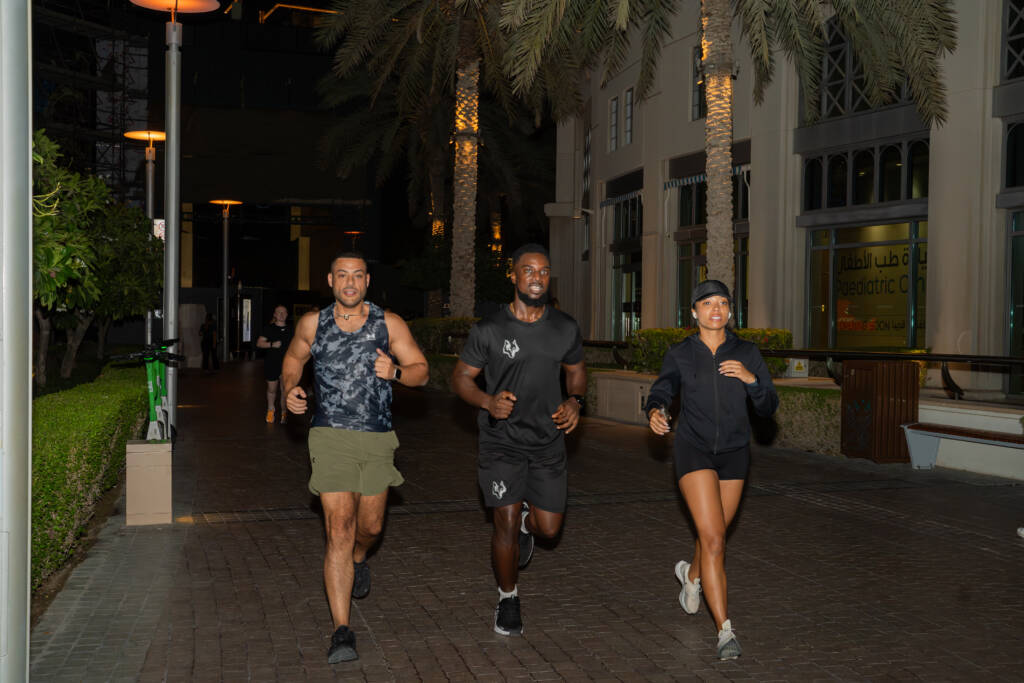
Caffeine, when used responsibly, is a proven performance enhancer. It supports endurance, power, and cognitive function. By following evidence-based dosing and timing while considering individual response, athletes can safely use caffeine to boost performance. At Wolf Pack, we encourage responsible and personalized use, always guided by science and training goals.
References
- International Society of Sports Nutrition, Position Stand: Caffeine and Performance, 2021. PubMed ID: 33388079
- Grgic J, et al. “Effects of caffeine intake on endurance performance: a meta-analysis.” Sports Medicine, 2021. PMC7777221
- Southward K, et al. “Caffeine and endurance running performance.” Int J Sport Nutr Exerc Metab, 2023. PubMed ID: 36615805
- Grgic J, et al. “Caffeine ingestion improves resistance exercise performance: a meta-analysis.” PMC6548757
- Pickering C, et al. “Low-dose caffeine and strength performance.” Clinical Nutrition, 2022. ScienceDirect
- McLellan TM, et al. “Caffeine, cognition, and mood.” PMC8000732
- Salinero JJ, et al. “Caffeine timing and ergogenic effects.” Front Sports Act Living, 2022. PMC9030507
- Mechanism overview: Adenosine receptor antagonism. PubMed ID: 33388079