Introduction
From step counters to smart watches that track heart rate variability, wearable technology has become a fitness staple. But with so many options, many people wonder: do these gadgets really help, or are they just expensive accessories? Let’s break down the benefits and drawbacks, backed by science.
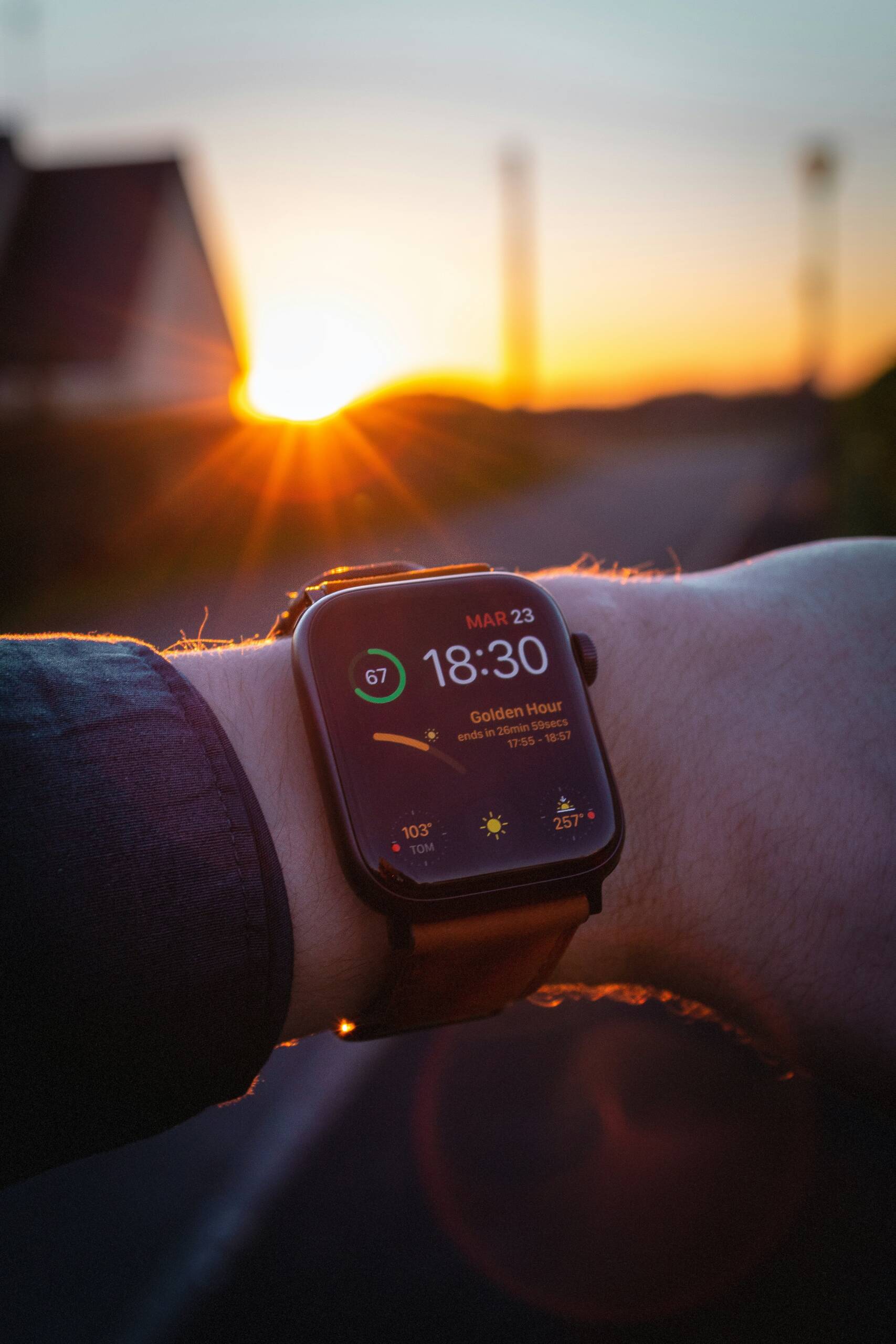
The Rise of Wearables in Fitness
According to the American College of Sports Medicine’s (ACSM) 2025 trends report, wearable tech is among the top global fitness trends. Athletes, trainers, and beginners alike use them to monitor progress, set goals, and stay accountable.
What Wearables Track and Why It Matters
- Heart Rate & Zones: Helps you understand whether you’re training in fat burn, endurance, or performance zones.
- Calories Burned: Useful for general awareness, though not always 100% accurate.
- Sleep Tracking: Provides insights into recovery and rest quality.
- Steps & Movement Reminders: Encourages consistent activity throughout the day.
- VO2 Max & Recovery Scores: Advanced metrics, especially for serious athletes.
A study highlighted that wearable devices can reliably track cardiorespiratory fitness trends over time, making them a powerful tool for goal setting.
Pros of Wearable Tech
- Motivation & Accountability: Data provides immediate feedback, motivating people to stay consistent.
- Goal Tracking: Ability to set measurable targets, such as 10k steps or specific calorie goals.
- Behaviour Change: Reminders and progress charts encourage healthier routines.
- Community & Competition: Many apps link users with friends for challenges, fuelling consistency.
Cons of Wearable Tech
- Accuracy Issues: Not all devices measure metrics with medical precision. For example, calorie counts can be off by 10–20%.
- Data Overload: Too much information can overwhelm beginners, making them quit.
- Dependence: Some users rely too heavily on wearables, ignoring how they actually feel.
- Cost Barrier: Premium wearables can be expensive, limiting access.
Best Ways to Use Wearables for Fitness
- Track Trends, Not Perfection: Focus on long-term improvements, not day-to-day fluctuations.
- Pair with Professional Guidance: Trainers can interpret data to create better programs.
- Don’t Ignore Body Signals: Always prioritise how you feel over what the watch says.
- Use Community Features: Join step challenges or fitness groups to stay motivated.
Conclusion
Wearable tech can’t replace discipline, but it can enhance it. For Wolf Pack Fitness members, it’s about finding balance — using wearables to guide your journey while still listening to your body. Remember: the watch gives you data, but you give it meaning.
DM @wolfpackfitnessdxb or WhatsApp +971 58 585 4704 to discuss coaching